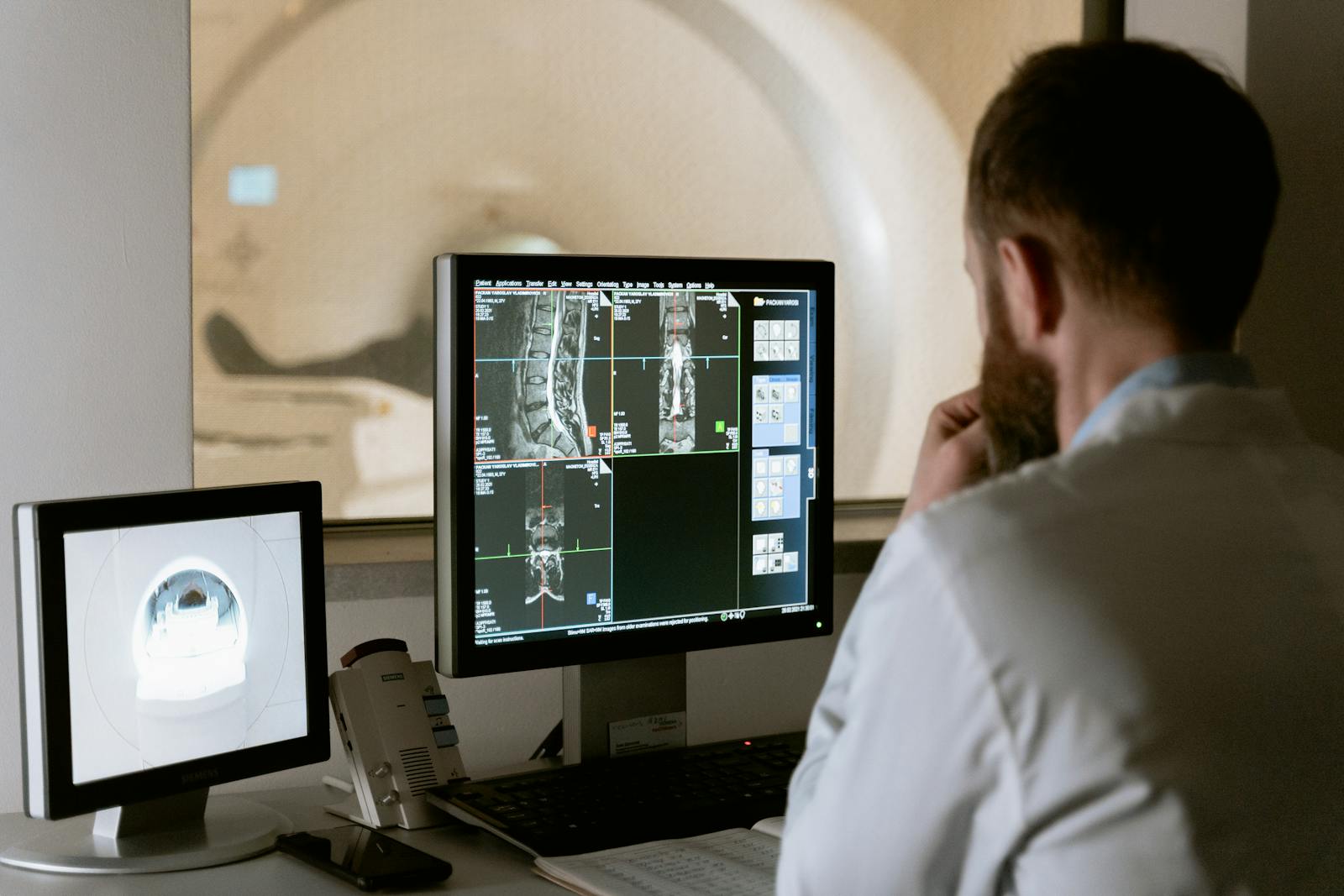
Orthopedics and recovery care
Orthopedic care that helps patients move from a painful symptom to a workable treatment plan quickly.
Cedar Ridge Health is built for the actual patient journey: symptom, condition page, service line, provider trust, clinic logistics, and then a recovery path that still feels coordinated after the appointment ends.

Start with the symptom, then move into the right service and provider
The site intentionally routes people between condition explainers, the concrete service line, the named provider page for Dr. Lena Ortiz, and a real clinic route like Bellevue Orthopedics.

Rotator cuff tear guide
Understand the condition
Bellevue clinic
See the clinicThe rehab side has to look connected, not outsourced
Patients are more confident when surgery, therapy, and recovery guidance feel like one connected system rather than separate businesses trying to share traffic.


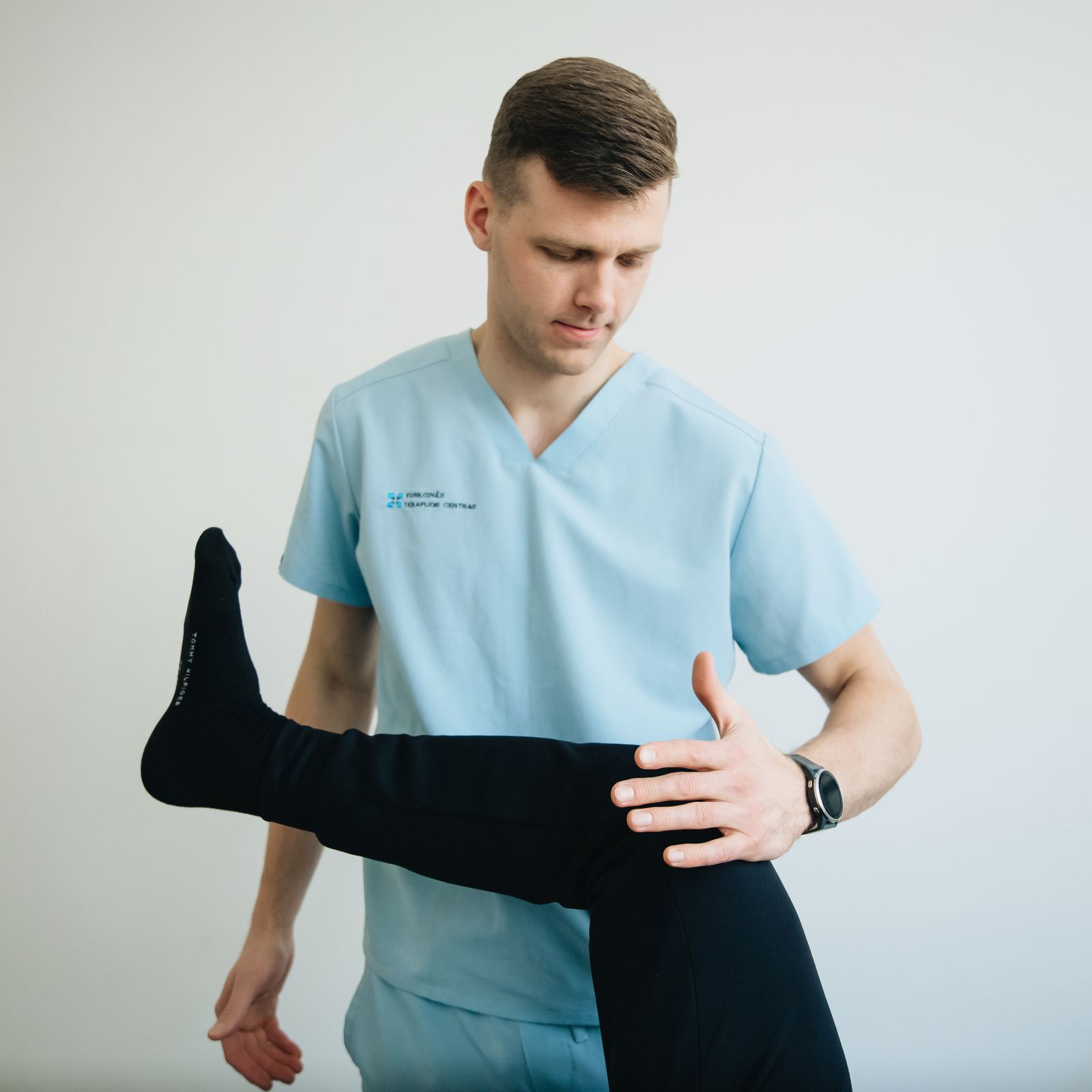
What patients look for before they ever submit a form
| Question | Where they look | Why it matters |
|---|---|---|
| Do you treat this issue often? | condition + service pages | patients want confidence before they choose a provider |
| Who is actually seeing me? | provider page | branded-search traffic needs a real landing spot |
| Can I get there and what happens next? | location + patient resources | logistics matter more than marketing once intent turns real |
The IA is intentionally looped because care decisions are rarely linear
Patients bounce from condition to service, then into provider, then into location or insurance support. The internal-link structure should feel helpful, not artificially tidy.
Start with pain, weakness, or a new injury
Many sessions begin on a condition page because the patient only knows what hurts, not what the care pathway is called.
Move toward a service line and a named clinician
Once the treatment path is clearer, provider depth starts doing branded-search and trust work.
Finish on location, patient prep, and billing support
The closer a patient gets to action, the more operational details begin to matter.
Common friction points
Should the patient start on a condition page or a service page?
Both are realistic entry points, which is why the site intentionally links them together instead of forcing one perfect funnel.
Why give location pages so much depth?
Location queries often carry high intent and practical questions about parking, rehab access, and provider mix that the main marketing pages cannot answer alone.